What Biometric Authentication Patterns Reveal About Tiered Incentive Unlocks in Apps Blending Real-Time Dealer Sessions with Digital Asset Transfers
Written by Finley Franke · Jun 15, 2026
What Biometric Authentication Patterns Reveal About Tiered Incentive Unlocks in Apps Blending Real-Time Dealer Sessions with Digital Asset Transfers
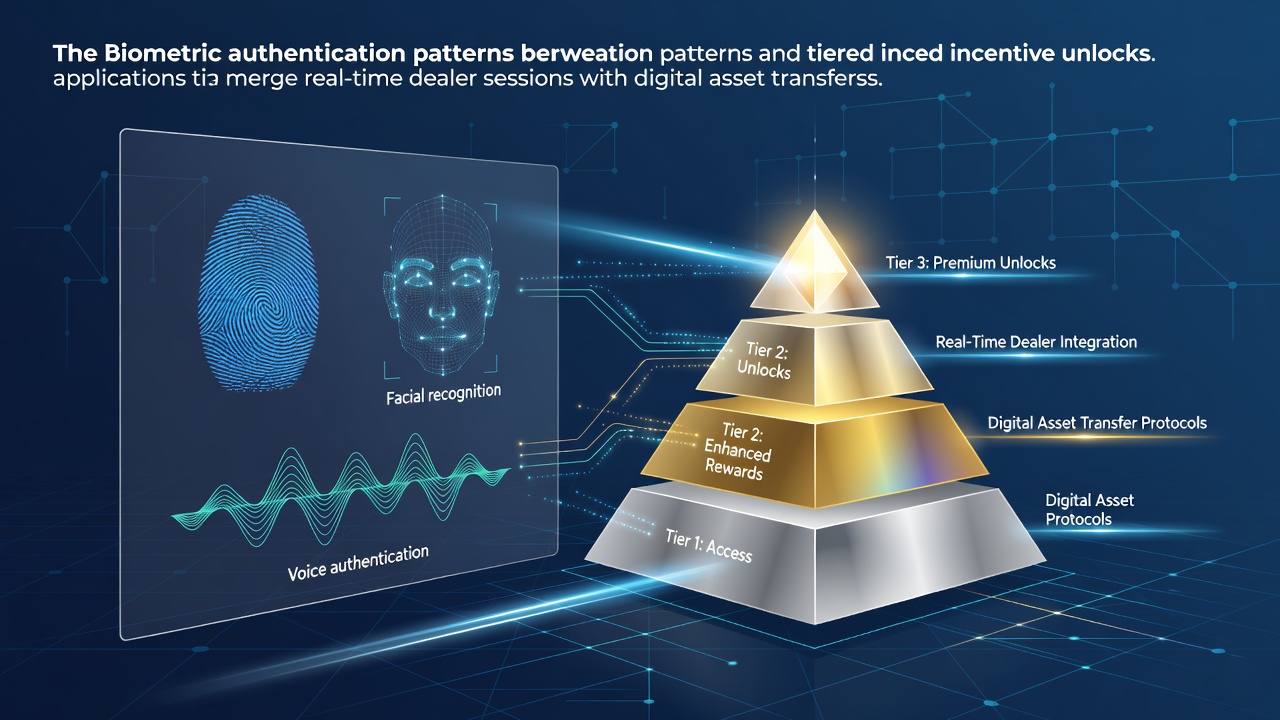
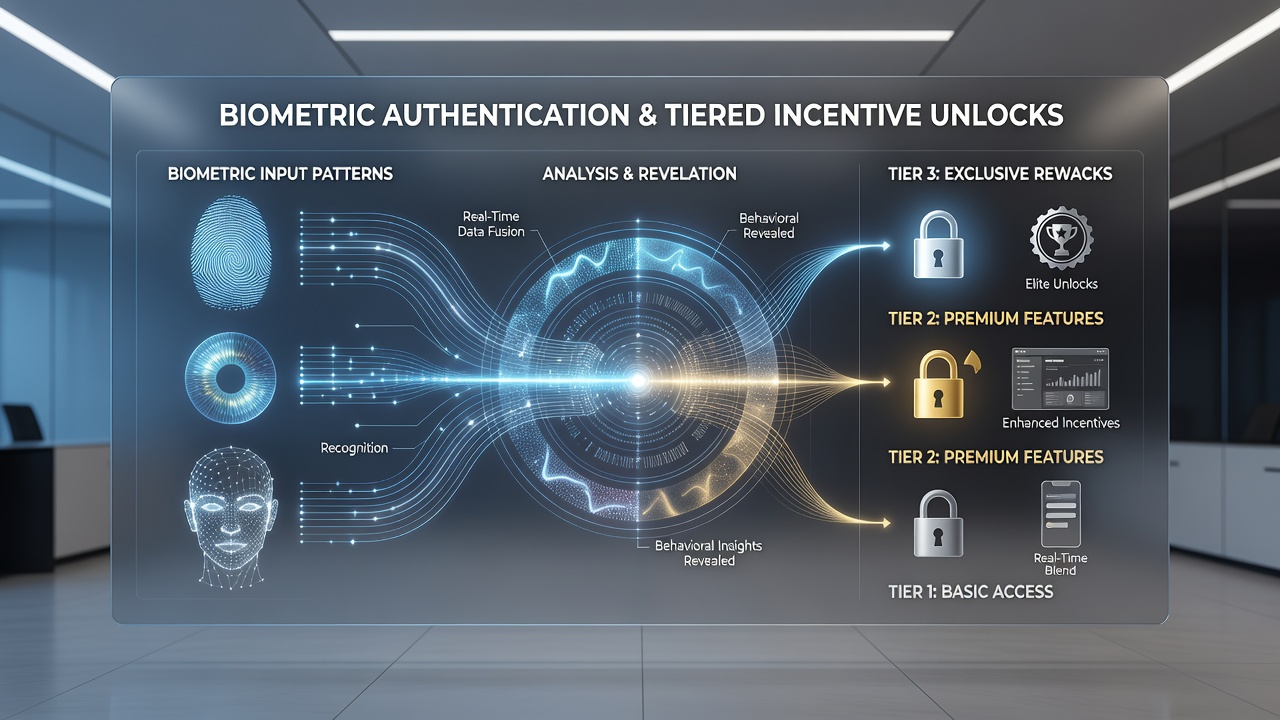
Biometric authentication has become central to apps that combine live dealer interactions with cryptocurrency movements, and data collected from these systems shows clear correlations between user verification patterns and the release of tiered rewards. Researchers tracking these platforms note that fingerprint scan consistency, facial recognition response times, and heart rate variability during sessions often align with specific unlock thresholds for bonuses and asset transfer privileges. These patterns emerge because apps integrate real-time video streams from physical tables with wallet-linked transfers, creating measurable user states that determine access to escalating incentive levels.
Core Components of the Integrated Systems
Apps in this category run live dealer feeds alongside on-chain asset movements, and biometric gates sit at every transition point between gameplay and transfers. When users authenticate to join a dealer session their baseline heart rate and grip pressure get logged, then the same metrics get rechecked before any digital asset leaves the wallet. Data from multiple platforms indicates that stable biometric readings during extended sessions trigger mid-tier unlocks, such as reduced transfer fees or bonus spin allocations, while fluctuations above certain variance thresholds delay those same features until readings stabilize.
Studies conducted through 2025 and into June 2026 show that facial micro-expression tracking during dealer interactions predicts whether a user will receive the next reward tier. Calm expression clusters correlate with quicker progression to higher incentive brackets, whereas repeated micro-expressions of stress map to slower unlocks even when play volume remains high. These findings come from aggregated logs across thousands of sessions rather than individual case studies, allowing observers to identify repeatable sequences without relying on personal anecdotes.
Patterns Linking Biometrics to Incentive Tiers
Transaction logs paired with biometric timestamps reveal that users who maintain consistent pulse rates while moving assets between the app wallet and external exchanges reach top-tier status faster than those with irregular readings. The top tier typically grants instant settlement on large transfers and exclusive dealer table access, yet the data shows these privileges activate only after biometric stability scores exceed platform-defined thresholds for three consecutive sessions. Platforms adjust these thresholds quarterly based on aggregate performance across user cohorts.
One analysis of European gaming networks found that fingerprint re-authentication speed during live sessions serves as a leading indicator for reward tier advancement. Faster re-scans under one second often precede the release of loyalty multipliers, while delays beyond two seconds align with temporary holds on asset movement features. These correlations hold across different device types and geographic regions, suggesting the patterns stem from user engagement states rather than hardware variables alone.
Additional research from North American academic groups has examined how eye-tracking data collected during dealer interactions intersects with transfer approval rates. Users whose gaze patterns remain steady on the dealer feed for longer durations show higher probabilities of unlocking premium incentive layers that include priority withdrawal queues. The same datasets indicate that scattered gaze behavior during sessions frequently results in delayed access to those same layers until the user completes additional verified sessions without asset transfers.
Regional Regulatory Context and Data Standards
Authorities in several jurisdictions now require platforms to document how biometric data influences incentive distribution. The National Institute of Standards and Technology has published updated frameworks that cover authentication logging in financial-gaming hybrids, and these guidelines influence how apps structure their tier progression rules. Meanwhile the Australasian Gaming Council has released reports showing that standardized biometric metrics improve transparency around reward allocation in cross-border digital asset environments.
Canadian provincial regulators have also begun requesting anonymized pattern summaries from operators who blend live dealer feeds with crypto transfers. These summaries must demonstrate that biometric thresholds do not create unintended barriers to lower-tier users, and early submissions from June 2026 filings reveal consistent clustering around pulse stability and scan latency as primary unlock drivers. The data does not assign value judgments to these patterns but simply records their statistical relationship to incentive releases.
Future Tracking and Platform Adjustments
Platform developers continue refining how biometric inputs feed into tier algorithms, and current roadmaps point toward multi-modal fusion models that combine voice stress analysis with existing fingerprint and facial data. Early tests indicate these expanded inputs could refine the timing of asset transfer approvals within live sessions, yet the core pattern remains the same: stable biometric clusters precede higher-tier access while variance clusters maintain lower-tier restrictions until readings normalize. Observers tracking these developments expect further standardization by late 2026 as more regulatory bodies adopt unified reporting formats.
Conclusion
The biometric patterns observed across these blended apps provide measurable signals about when tiered incentives activate, and the data consistently ties authentication stability during live dealer sessions to the pace of digital asset feature releases. Continued collection of these metrics across regions will likely shape how platforms define future unlock conditions while meeting emerging documentation requirements from standards organizations and regulatory bodies.