Tracing Player Migration Patterns Across Payment Gateways in App-Based Live Dealer Environments
Written by Jonas Schulz · Aug 19, 2026
Tracing Player Migration Patterns Across Payment Gateways in App-Based Live Dealer Environments
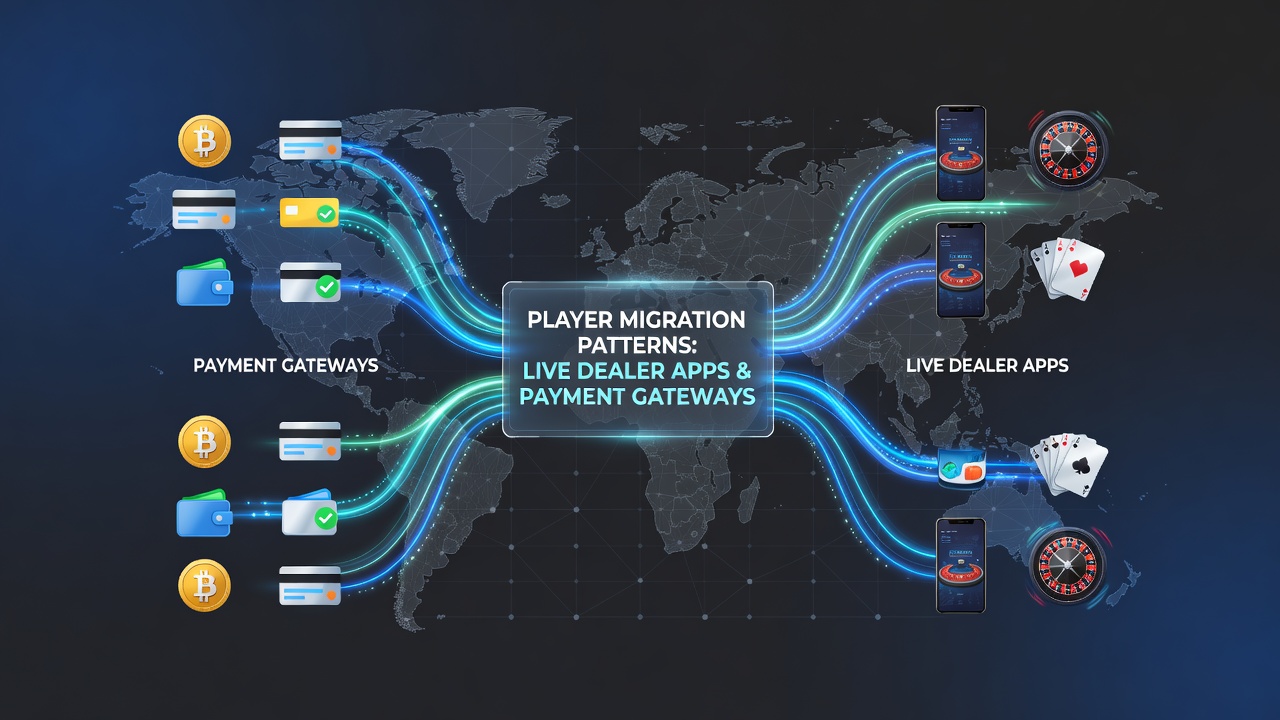
Player movement between payment gateways in app-based live dealer environments follows observable patterns that researchers have tracked through transaction logs and user behavior datasets, and these shifts often align with changes in processing speeds, fee structures, and regulatory updates across different regions. Data compiled from multiple platforms shows that users frequently transition from traditional card-based systems to digital wallets within the first few sessions, while subsequent moves toward cryptocurrency options occur when transaction volumes increase or when live dealer tables require faster settlement times.
Core Components of teh Migration Ecosystem
App-based live dealer platforms integrate several payment gateways that handle deposits and withdrawals in real time, and these systems connect directly to game servers that manage table limits and session continuity. Studies released in early 2026 indicate that credit and debit card gateways still process the majority of initial deposits in markets like parts of North America and Europe, yet their share drops noticeably after users complete verification steps that unlock alternative methods. E-wallet services such as those operated by established providers see steady inflows as players seek reduced processing delays during peak evening hours when live dealer tables experience higher traffic.
Observers tracking these flows note that cryptocurrency gateways attract a distinct segment once account balances exceed certain thresholds, and this transition often coincides with the activation of loyalty tiers that reward faster settlement. In August 2026 reports from industry monitoring groups, analysts documented a 12 percent increase in cross-gateway activity among users who combined live dealer sessions with multi-currency support, particularly in jurisdictions where digital asset regulations had stabilized earlier in the year.
Observed Patterns in Transaction Data
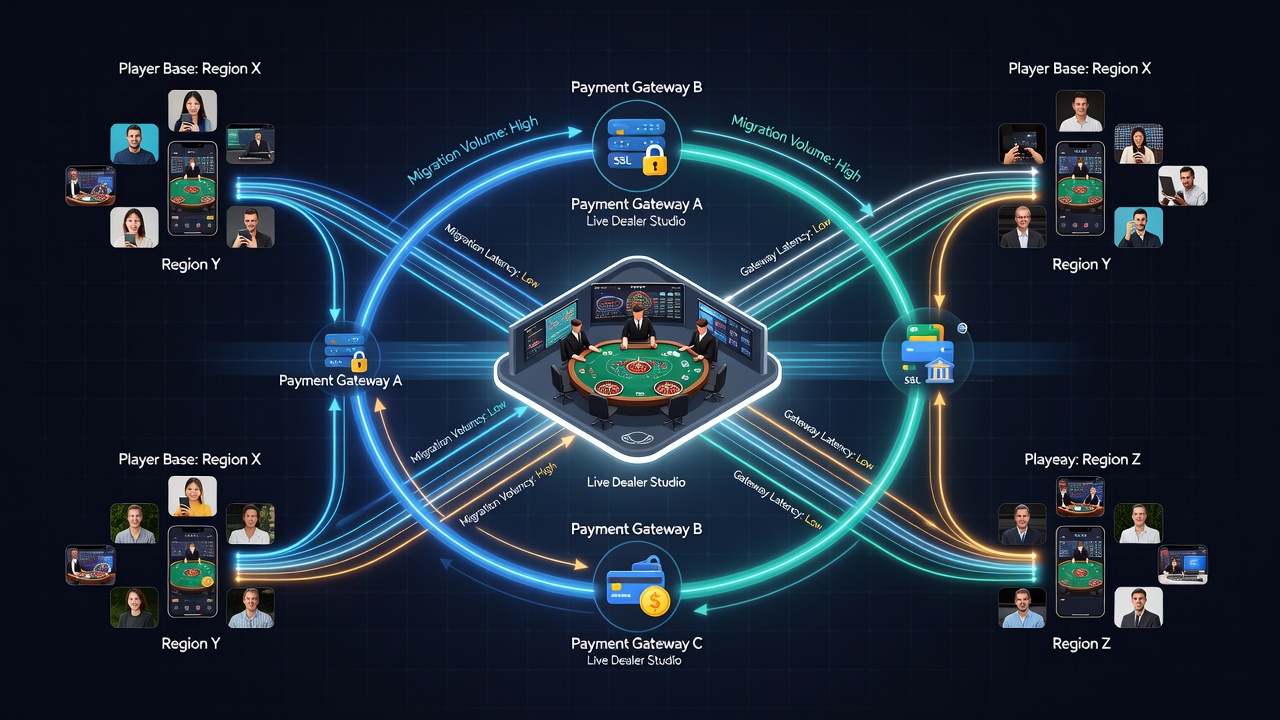
Transaction records reveal that migration tends to follow a staged sequence rather than random jumps, and players typically test a new gateway on lower-stakes tables before committing larger amounts. Research from academic institutions examining remote gaming logs shows that the average time between first card deposit and first e-wallet use spans roughly three to four sessions, while the shift to blockchain-based options extends to six or more sessions when network confirmation times remain consistent. Those who study these sequences point out that regional differences appear clearly, with users in Asia-Pacific markets moving toward stablecoin gateways at higher rates than counterparts in the Americas.
What's interesting is how peak-hour congestion at certain gateways triggers temporary migrations, and data from platform operators reveals that users reroute to secondary options when confirmation queues exceed standard windows. This behavior appears most pronounced during weekend live dealer events where table minimums rise and players seek uninterrupted play. Figures from Canadian regulatory summaries released mid-2026 highlight similar rerouting trends among mobile users who maintain multiple verified payment profiles within a single app.
Factors Driving Shifts Between Gateways
Several measurable variables influence when and how players change gateways, and processing latency stands out as a primary driver according to aggregated platform analytics. When one gateway experiences elevated failure rates during high-volume periods, users who encounter delays often activate backup profiles that route through alternative networks. Fee transparency also plays a documented role, with studies from European research centers showing that visible cost comparisons displayed within apps correlate with higher migration rates toward lower-fee options.
Regulatory developments further shape these movements, and updates to digital payment rules in specific territories have prompted noticeable upticks in gateway switching. For instance, analyses tied to Ontario's iGaming framework demonstrate that clearer guidelines on instant settlement options led to accelerated adoption of certain wallet providers among live dealer participants. In parallel, academic papers examining border-region platforms note that currency conversion costs prompt users to explore gateways supporting local digital assets when cross-border play increases.
Regional Variations and Recent Developments
Geographic data collected through 2026 illustrates distinct migration signatures, and markets with mature mobile infrastructure display faster gateway cycling compared with emerging regions. Australian regulatory filings indicate that users in that jurisdiction maintain an average of 2.7 active payment profiles per active account, with live dealer participants showing the highest frequency of profile activation during evening sessions. Similar patterns surface in Singapore-based platform reports, where stablecoin usage among dealer game users rose steadily after infrastructure improvements implemented earlier in the year.
Platform operators have responded by embedding migration analytics into their dashboards, and these tools allow real-time observation of how users redistribute activity when gateway performance metrics shift. The patterns remain consistent enough that predictive models now incorporate historical migration data to forecast load balancing needs across live dealer servers.
Conclusion
Tracing these migration patterns provides concrete insight into how payment infrastructure supports continuous play in app-based live dealer settings, and the documented sequences show clear correlations with technical performance, fee structures, and regulatory stability. Continued monitoring through established data sources will likely refine understanding of these flows as new gateways enter the ecosystem and existing ones adjust their operational parameters.