Tracing Economic Policy Influences on Transaction Choices and Game Variety in Border-Region Digital Platforms
Written by Nils Bauer · Jun 13, 2026
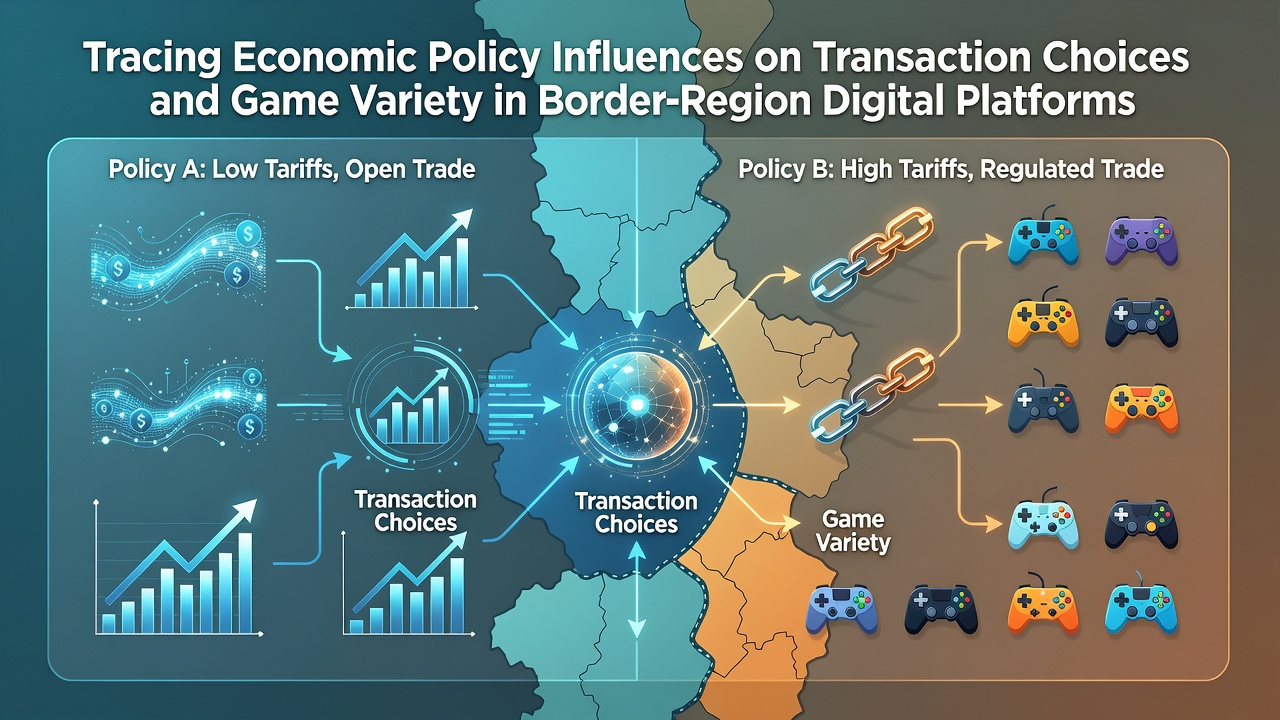
Tracing Economic Policy Influences on Transaction Choices and Game Variety in Border-Region Digital Platforms
Border-region digital platforms operate where national, state, and provincial regulations intersect, creating layered economic policies that shape how users select transaction methods and how operators adjust game offerings accordingly. Researchers tracking these zones note that tax structures, currency controls, and cross-border payment rules often determine whether platforms favor certain digital wallets or traditional banking rails over others, while also dictating the breadth of slot configurations, table variants, and live dealer formats available to local audiences.
Data compiled by cross-border trade analysts shows that when one jurisdiction raises transaction fees or imposes stricter know-your-customer thresholds, users frequently migrate toward alternative rails that carry lower friction, prompting platforms to recalibrate their backend integrations to maintain volume. Observers following activity near the US-Canada frontier report that shifts in provincial tax treatment of digital services have correlated with increased adoption of stablecoin settlements in one direction while fiat rails remain dominant on the opposite side, altering which game libraries receive promotional priority.
Policy Layers That Shape Transaction Pathways
Economic policies rarely act in isolation, instead forming overlapping requirements that force platforms to maintain multiple settlement channels simultaneously. When governments adjust capital flow rules or introduce new reporting mandates, the cost of each channel changes, and operators respond by highlighting the least expensive option to users through interface design and incentive structures. Studies from regional economic research centers indicate that such adjustments occur regularly along the US-Mexico corridor, where differing approaches to digital asset classification have led platforms to segment transaction menus based on user location rather than offering uniform choices across an entire service area.
Those monitoring platform updates note that operators often expand or contract supported payment rails in direct response to policy announcements, because maintaining unused channels carries ongoing compliance overhead. In June 2026 several border platforms are scheduled to implement revised reporting protocols tied to updated bilateral trade agreements, which analysts expect will further differentiate transaction speed and fee profiles between neighboring jurisdictions and encourage users to select methods that align with local regulatory incentives.
Game Variety Adjustments Tied to Payment Economics
Once transaction preferences stabilize within a given policy environment, operators adjust game catalogs to match the risk profiles and settlement speeds associated with dominant payment methods. Faster, lower-cost rails tend to support higher-frequency, lower-stakes game types that benefit from rapid session turnover, whereas slower or higher-fee channels correlate with deeper session games that justify larger per-transaction margins. Evidence gathered by industry data aggregators reveals that platforms serving multiple border zones maintain separate game libraries for each regulatory pocket, swapping reel configurations or live dealer tables when policy changes alter which payment method captures the majority of volume.
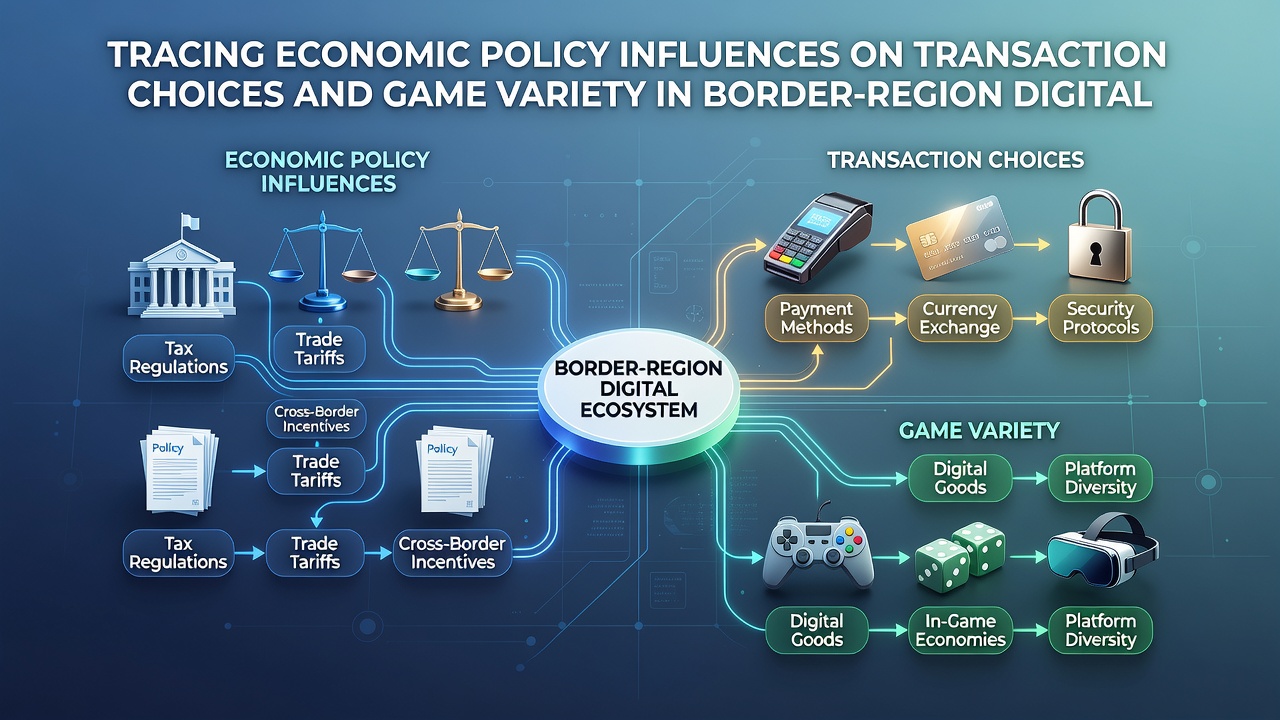
Academic reviews of platform telemetry demonstrate that these adjustments happen systematically rather than randomly, with game suppliers receiving region-specific briefs that reflect prevailing transaction economics. When one side of a border introduces tax credits for certain digital entertainment categories, platforms increase the density of qualifying titles while reducing exposure to categories that fall outside the incentive structure, effectively letting economic policy steer content strategy without direct content regulation.
Documented Patterns Across Multiple Border Corridors
Comparative analyses conducted by international trade research groups highlight recurring patterns along the EU external borders and the Australia-New Zealand digital corridor. Platforms in these zones routinely publish segmented user statistics that show transaction method distribution shifting within weeks of policy announcements, followed by measurable changes in average session length and game category engagement. Data released through Australian Communications and Media Authority reports illustrates how adjustments to digital service tax thresholds influenced the mix of instant-play versus downloadable titles offered to cross-Tasman users.
Similar documentation from North American sources, including materials prepared by the Canada Revenue Agency on digital economy taxation, tracks how harmonized sales tax variations affect preferred settlement rails and, by extension, the promotional calendars for new game releases. These records demonstrate that platforms do not simply react to user demand but actively reconfigure offerings to preserve margins under evolving policy constraints.
Conclusion
Economic policies in border regions continue to function as primary drivers behind both transaction selection and game variety decisions on digital platforms. As reporting requirements and tax frameworks evolve, operators maintain flexible architectures that allow rapid realignment of payment options and content libraries to match the resulting economic signals. Ongoing data collection from regulatory and academic sources will remain essential for understanding how these interconnected systems develop through 2026 and beyond.