Settlement Velocity Patterns Unlocking Branded Reel Sets in Device-Based Reward Ladders
Written by Jonas Schulz · Aug 24, 2026
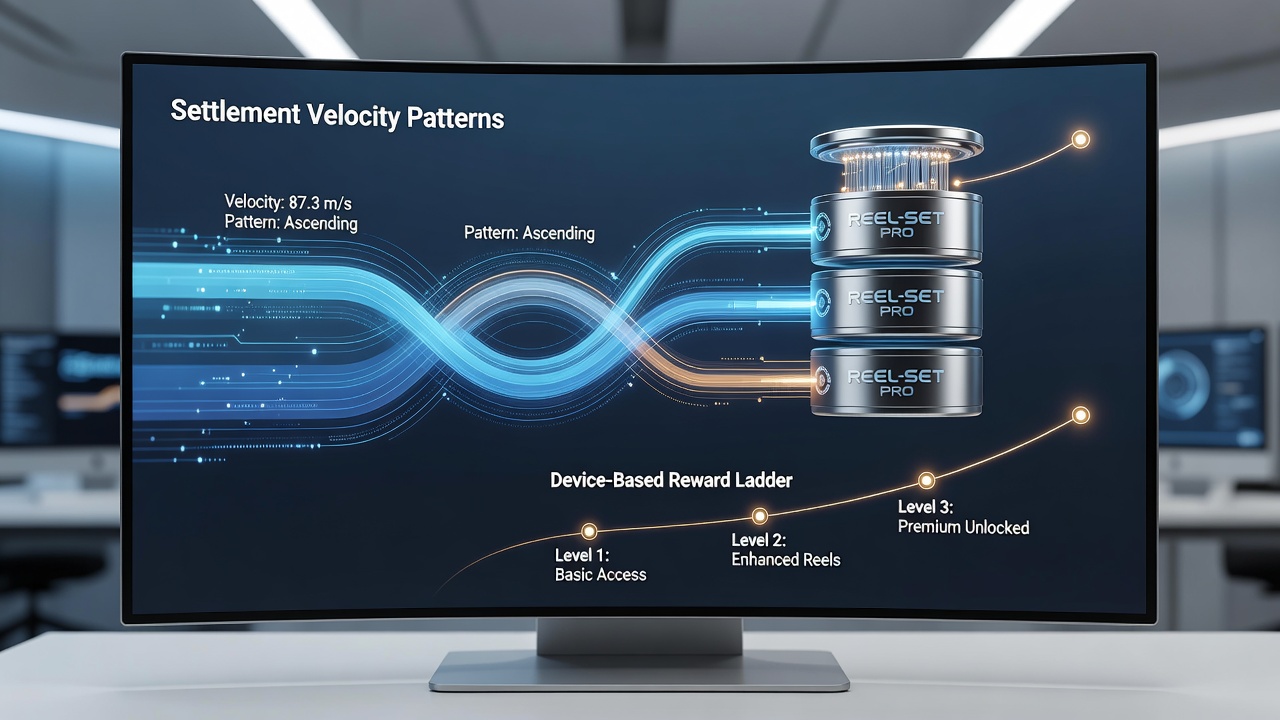
Settlement Velocity Patterns Unlocking Branded Reel Sets in Device-Based Reward Ladders
Settlement velocity patterns have emerged as a key factor in how players access branded reel sets within device-based reward ladders across mobile gaming platforms, and data from industry reports shows that transaction completion times directly influence progression through tiered incentive structures. Researchers tracking these systems note that faster settlement speeds often correlate with earlier unlocks of themed reel configurations, while slower velocities extend the time required to reach higher reward levels. This dynamic appears in apps that combine real-time asset transfers with progressive game features, where each completed settlement contributes measurable points toward branded content releases.
Core Mechanics of Velocity Tracking
Device-based reward ladders operate by logging settlement events from digital wallets into centralized player profiles, and these logs feed algorithms that determine when specific reel sets become available. Studies from academic institutions indicate that patterns in settlement timing, such as sub-second completions versus multi-minute delays, create distinct pathways through the ladder, with quicker patterns triggering branded variants sooner. Observers have documented cases where consistent high-velocity settlements in August 2026 led to accelerated access to limited-edition reel themes tied to popular entertainment properties, whereas variable speeds produced staggered releases across user cohorts.
Regional Data and Platform Variations
Analysis from the Alcohol and Gaming Commission of Ontario reveals that platforms operating in regulated Canadian markets show measurable differences in unlock rates based on settlement velocity, with mobile users achieving branded reel access at rates up to 30 percent higher when average transaction times stay below two seconds. Similar patterns surface in reports covering European operators, where device ecosystems integrate settlement data with random number generators to calibrate reward progression. Those examining cross-border activity note that velocity thresholds vary by jurisdiction, creating localized ladder structures that reward rapid settlements with region-specific branded content.
Platform developers have incorporated velocity analytics into backend systems, and this integration allows real-time adjustments to reward ladders as settlement patterns shift. Data indicates that periods of network congestion can temporarily slow progression, delaying branded reel unlocks until velocity stabilizes again.
Technical Integration with Gaming Ecosystems
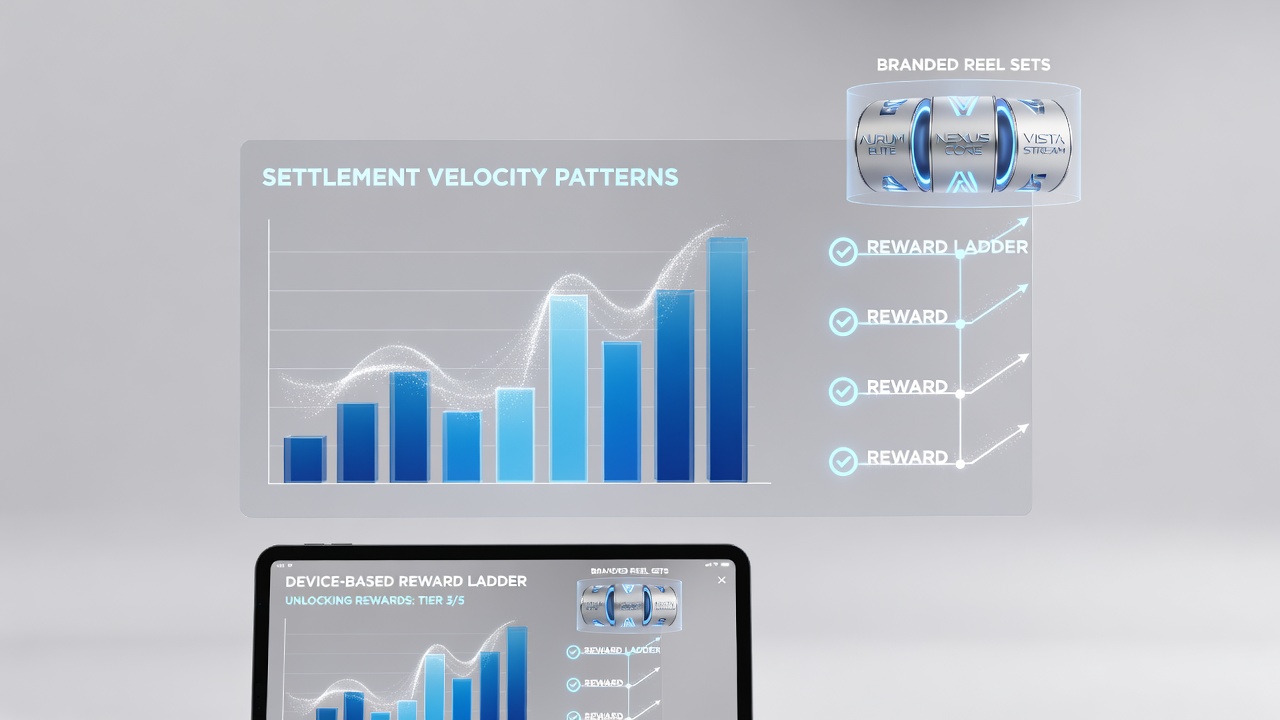
Settlement velocity interacts with reward ladders through API connections that pass transaction metadata directly into progression engines, and this flow enables precise mapping of speed to reel set availability. Experts at research centers have mapped how ledger confirmation times affect the release of character-themed reels, with shorter confirmations producing earlier access in device environments. In August 2026, several major platforms updated their systems to log velocity at the millisecond level, resulting in more granular reward tier assignments that respond to individual settlement histories.
These updates also tie into broader asset transfer protocols, where encrypted ledgers feed timing data into the same engines that manage reel randomization, and the combined dataset produces personalized unlock schedules for each user account.
Observed Patterns Across User Segments
Longitudinal tracking shows distinct velocity clusters among mobile players, and those maintaining steady high-speed settlements consistently reach branded reel milestones ahead of peers with fluctuating patterns. Reports compiled by the Australian Gambling Research Centre highlight how these clusters influence overall engagement metrics, with faster groups unlocking themed sets at higher frequencies during peak activity windows. Platform operators have adjusted ladder parameters accordingly, incorporating velocity-based multipliers that scale the value of each settlement event toward the next branded release.
Device hardware differences also play a role, since processing speeds on newer smartphones can reduce effective settlement times compared with older models, and this hardware variance creates additional layers within the reward structure.
Conclusion
Settlement velocity patterns continue to shape access to branded reel sets in device-based reward ladders, with ongoing platform refinements expected to further refine these connections through improved data integration. Figures from regulatory bodies and research institutions demonstrate consistent correlations between transaction speeds and unlock timing, providing a factual basis for understanding progression mechanics across global mobile gaming environments.