Mapping Influences of Settlement Choices on Feature Availability in App-Driven Gaming Experiences
Written by Nils Bauer · Aug 5, 2026
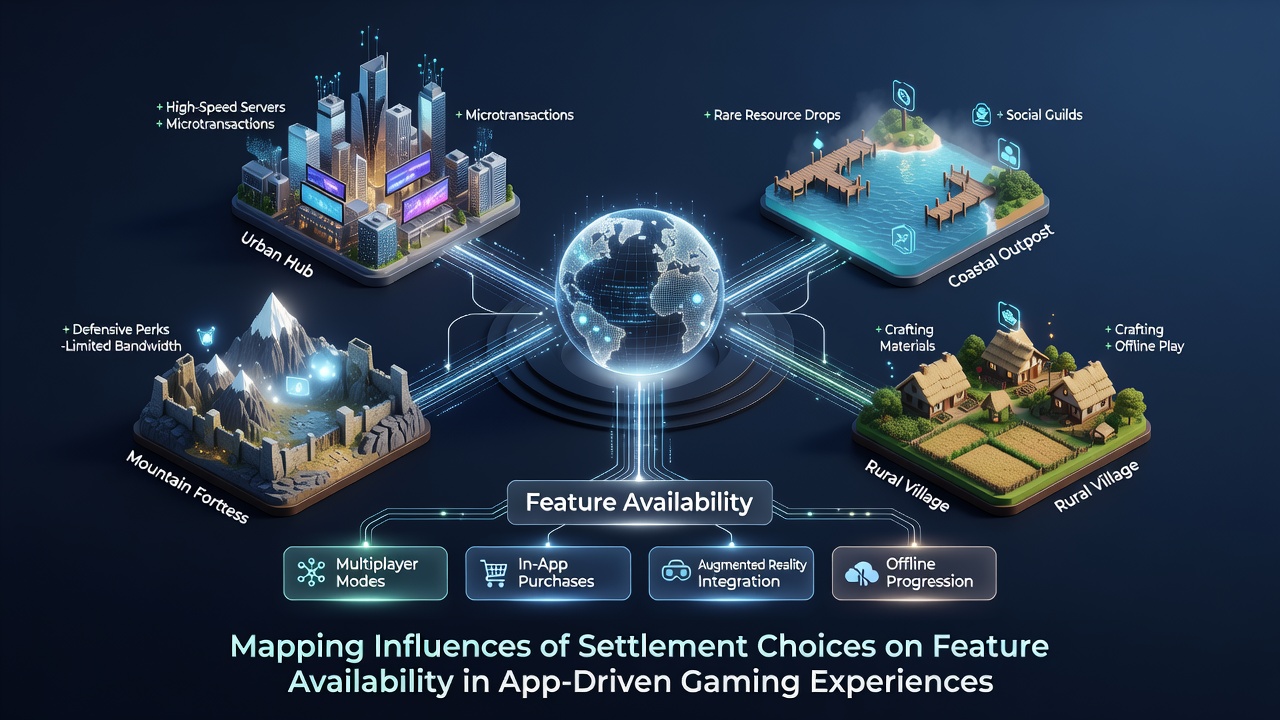
Mapping Influences of Settlement Choices on Feature Availability in App-Driven Gaming Experiences
Settlement choices shape which features appear in app-driven gaming experiences because developers adjust content based on user location data, payment processing rules, and local compliance requirements. Researchers at multiple institutions have tracked these patterns through aggregated app telemetry and regulatory filings, and the connections between where users register their accounts and what in-app options become accessible continue to grow clearer each quarter.
Geographic Settlement Patterns and Regional Feature Sets
Users who settle in one jurisdiction often encounter different character customization tools, multiplayer modes, or update schedules than those who register from another area, since platforms must align with data residency laws and content classification systems. Data from app distribution platforms shows that settlement in the European Union correlates with earlier rollout of privacy-enhanced interfaces while settlement in parts of Asia Pacific frequently unlocks region-specific social integration modules first. Observers note that these differences emerge because developers configure feature flags according to the legal frameworks that govern each settlement zone rather than applying uniform code across all users.
Payment settlement methods chosen at account creation further refine the available options, and transaction ledgers record which banking rails or digital wallet providers users select. When settlement occurs through certain processors, additional reward tiers or cross-game asset transfers activate automatically, whereas other methods trigger restricted access to avoid conflicts with varying financial disclosure rules. Studies compiled by the International Game Developers Association indicate that these payment-linked restrictions appear consistently across both free-to-play titles and premium experiences.
Regulatory Shifts Observed in Mid-2026
By August 2026 several jurisdictions had updated their digital commerce guidelines, and those revisions directly influenced how settlement data determines feature gating. Australian authorities released updated guidance on cross-border data flows that prompted several major studios to segment their Australian user bases into separate server clusters with distinct cosmetic and progression item pools. Canadian regulators simultaneously published compliance checklists for mobile entertainment applications, and companies responded by mapping settlement postal codes to specific feature availability matrices to meet new transparency obligations.
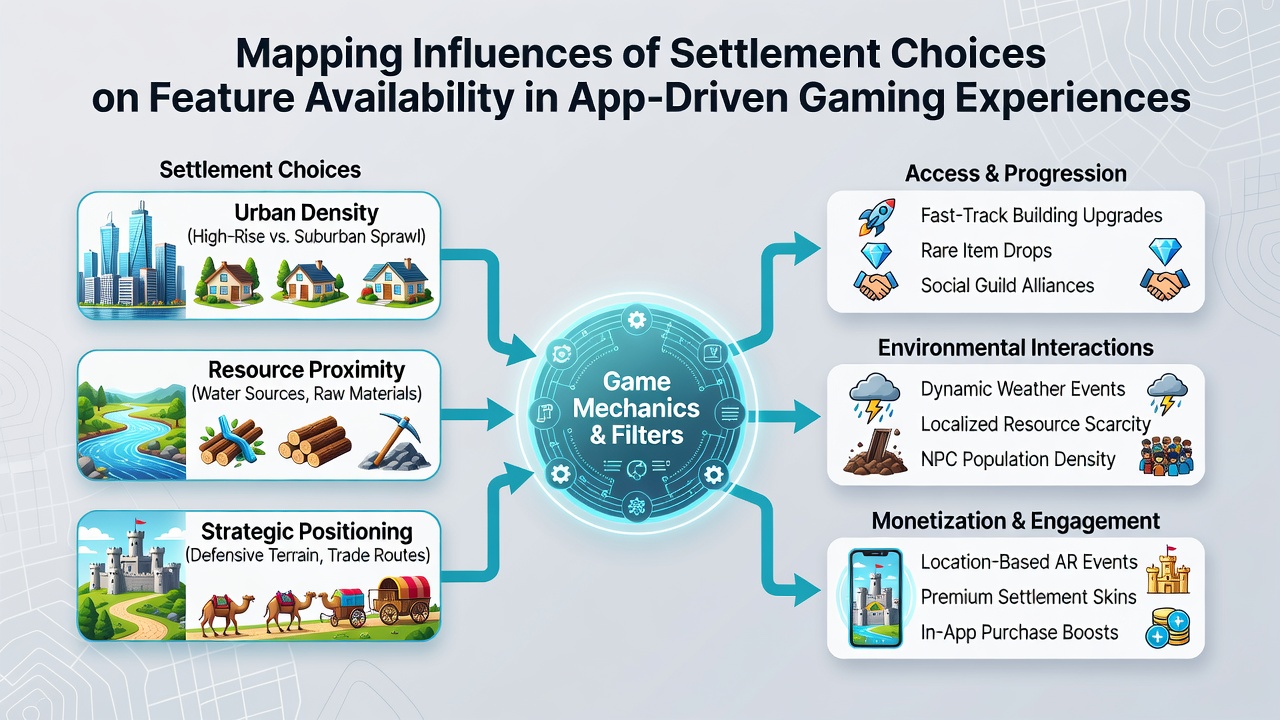
Those adjustments produced measurable differences in user engagement metrics, and analytics firms documented how settlement choices made in the first week after policy announcements affected subsequent feature exposure rates. teh European Commission’s ongoing review of digital platform obligations provided additional reference points, and developers used those frameworks to refine their settlement verification layers so that features tied to real-money economies would activate only after users completed location and payment confirmation steps.
Technical Implementation of Settlement-Based Controls
Engineering teams implement these controls through server-side configuration files that read settlement metadata at login and then serve tailored client builds. Location signals, IP ranges, and payment processor identifiers feed into decision trees that determine whether a user receives access to advanced analytics dashboards, collaborative editing tools for custom levels, or accelerated progression systems. Because these trees update whenever regulatory bodies issue new interpretations, the same settlement choice can yield different feature sets within weeks.
Industry reports compiled by the Singapore Infocomm Media Development Authority highlight how such dynamic systems have become standard practice, and the authority’s documentation shows that studios now maintain parallel feature catalogs indexed by settlement category. This approach reduces compliance risk while still allowing broad distribution of core gameplay loops across markets.
Conclusion
Settlement choices therefore function as primary inputs in the architecture of modern gaming applications, and the mapping of those choices to feature availability continues to evolve alongside regulatory updates and technical standards. Data collected through 2026 demonstrates consistent correlations between registration location, chosen payment rails, and the precise set of options presented to each user, and these patterns are expected to remain central to platform design decisions in subsequent years.