Mapping Data Flows Between Encrypted Transaction Ledgers and Random Number Generators in Smartphone-Based Gaming Systems
Written by Jonas Schulz · Jun 10, 2026
Mapping Data Flows Between Encrypted Transaction Ledgers and Random Number Generators in Smartphone-Based Gaming Systems
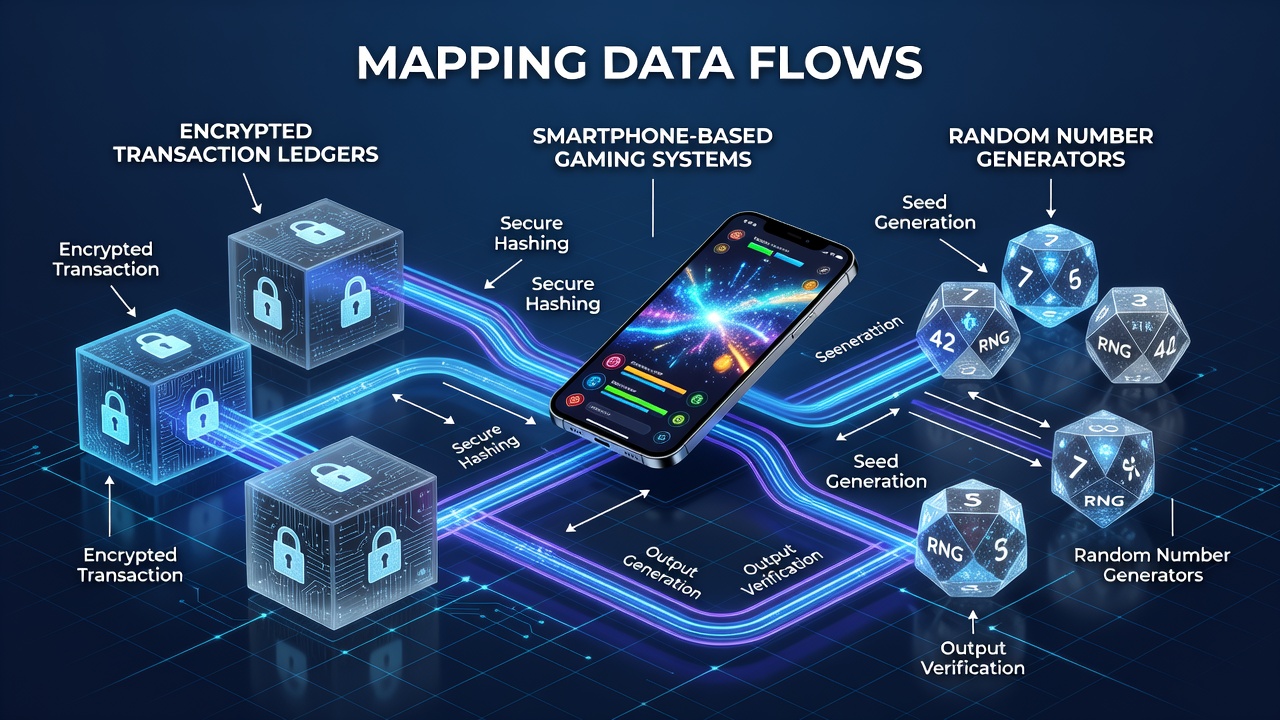
Smartphone-based gaming systems rely on intricate connections between encrypted transaction ledgers and random number generators to maintain operational integrity across mobile networks. These ledgers record player actions and financial movements in secure formats while random number generators determine game outcomes in real time and the data flows between these components follow defined pathways that developers map to prevent unauthorized access or manipulation.
Core Components of Data Architecture
Encrypted transaction ledgers operate on distributed systems that store records using cryptographic protocols and in smartphone environments these ledgers capture every wager placement along with payout confirmations before transmitting them to central servers for verification. Random number generators function as algorithms that produce sequences of numbers without predictable patterns and when integrated into mobile applications they receive inputs from device sensors or external entropy sources to generate results for games such as slots or card simulations.
Researchers at institutions focused on computational security have examined how these elements interact through application programming interfaces that route information between teh ledger and the generator. Data packets travel from the ledger to the random number generator when a game session initiates and this process involves verification steps that confirm transaction validity before outcome generation begins.
Pathways for Information Exchange
Mapping these data flows requires analysis of several stages that occur during each gaming cycle. Initial transaction data enters the ledger through encrypted channels on the smartphone and once recorded the system queries the random number generator for a seed value that determines the subsequent game result. The generator then returns the outcome to the ledger where it becomes part of the permanent record and this cycle repeats with each player interaction.
Studies conducted by European research networks indicate that latency in these exchanges can affect system performance particularly on networks with variable connectivity. Engineers address this by implementing buffering mechanisms that hold transaction data temporarily while the random number generator processes requests and synchronization protocols ensure that both components maintain consistent states throughout extended play sessions.
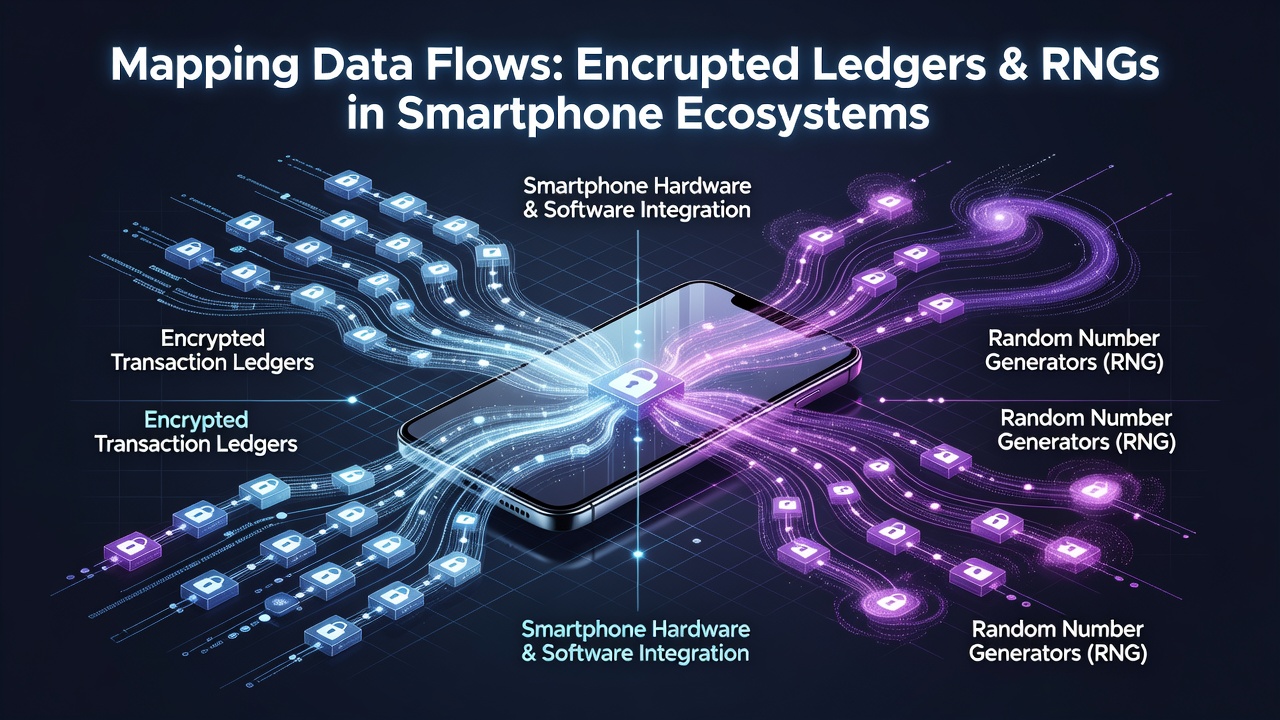
Observers note that June 2026 brought new guidelines from the Australian Communications and Media Authority regarding standards for data mapping in mobile entertainment applications and these guidelines emphasize the need for transparent documentation of how transaction records influence random outcome generation. Implementation of such standards involves regular audits that trace information movement from device level storage to backend processing units.
Security Measures in Flow Mapping
Security protocols protect these data flows through multiple layers of encryption that apply both at rest and during transmission. When transaction details move from the ledger to the random number generator they pass through secure sockets that prevent interception and developers often incorporate hardware security modules within smartphones to generate keys that authenticate each exchange.
Academic papers published through Canadian university consortia have detailed methods for visualizing these mappings using graph theory where nodes represent system components and edges illustrate data transfers. Such visualizations help identify potential bottlenecks or vulnerabilities and they support efforts to optimize flow efficiency without compromising the unpredictability required from random number generators.
Industry reports from gaming technology associations reveal that integration challenges arise when operating systems on smartphones update their security frameworks and these updates can alter how applications access random number functions leading to adjustments in ledger query patterns to maintain compatibility.
Regulatory and Technical Developments
Regulatory bodies across different regions continue to refine requirements for data flow documentation in smartphone gaming. The approach taken by authorities in Singapore focuses on requiring operators to submit detailed flow diagrams that show encryption points between ledgers and generators while similar efforts in South Africa emphasize testing procedures that verify outcome fairness after transaction recording.
Technical teams employ tools such as network analyzers and simulation software to map these interactions at scale and the resulting models allow for predictive analysis of how increased user loads might impact data movement between the two systems. This analysis supports capacity planning that keeps response times consistent across diverse device types.
Conclusion
Mapping data flows between encrypted transaction ledgers and random number generators forms a foundational element of smartphone-based gaming infrastructure. The processes involved connect secure record keeping with outcome determination through structured pathways that developers refine continuously. As mobile platforms evolve and regulatory expectations shift in periods such as June 2026 these mappings remain central to maintaining system reliability and data integrity across global user bases. Continued examination by research groups and standards organizations provides the basis for ongoing adjustments that align technical capabilities with operational requirements.