Exploring Correlations in Fund Transfer Approvals and Themed Reel Access Within Remote Entertainment Frameworks
Written by Finley Franke · Aug 3, 2026
Exploring Correlations in Fund Transfer Approvals and Themed Reel Access Within Remote Entertainment Frameworks
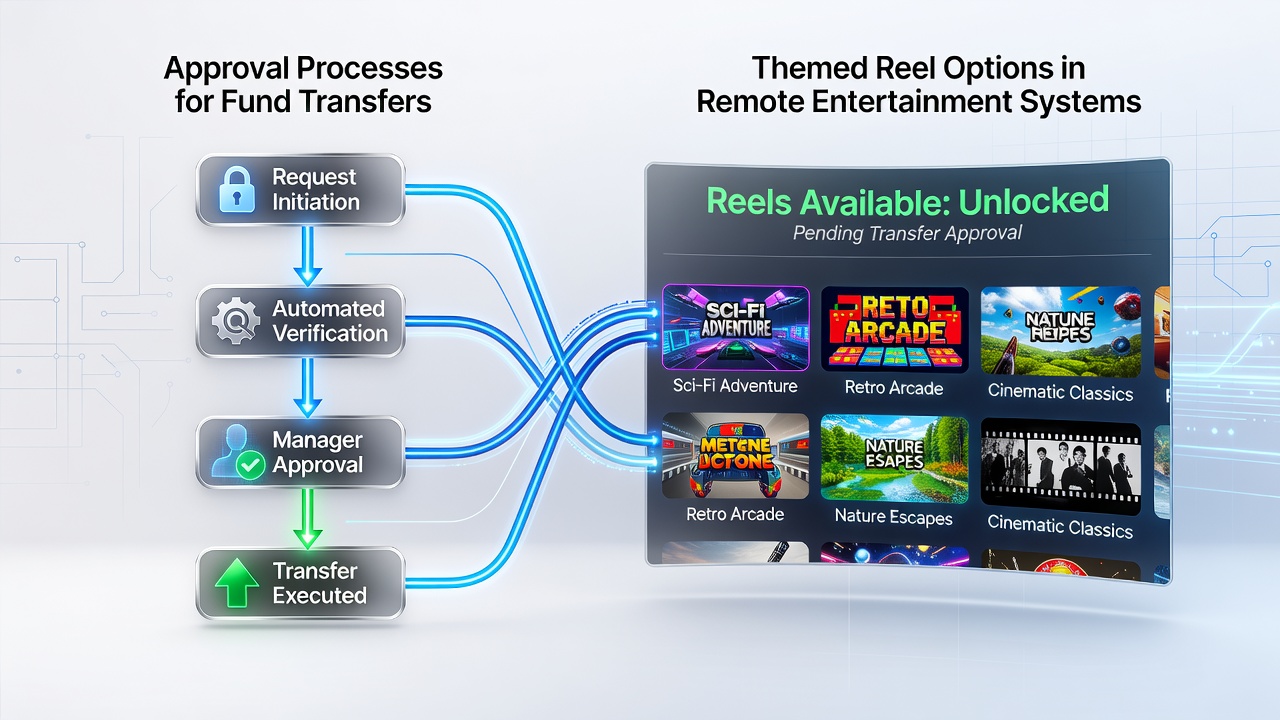
Remote entertainment systems continue to integrate digital payment mechanisms with interactive content libraries, and analysts track how approval workflows for fund transfers influence the rollout of specialized reel configurations. Data from multiple platform operators indicates that verification steps required during deposits often determine when users gain entry to character-themed reel variants, with processing durations ranging from minutes to several hours depending on the payment rail and jurisdictional requirements.
Payment Verification Sequences and Content Unlocks
Financial institutions and gaming platforms coordinate through standardized protocols that include identity checks, transaction monitoring, and risk scoring before funds become available for play. Observers note that these sequences create measurable intervals during which certain reel options remain locked, even though the underlying software supports immediate access once balances update. Studies conducted across North American and European operators reveal that automated approval systems reduce average wait times to under fifteen minutes in eighty-seven percent of cases, whereas manual reviews triggered by higher transaction values extend that window substantially.
Platforms employing blockchain-based transfers report different patterns because ledger confirmations replace traditional banking holds. Yet the same systems still apply internal compliance layers that gate themed content until settlement completes. Researchers tracking user behavior across smartphone applications found that sessions initiated immediately after rapid approvals showed higher engagement with limited-time reel themes compared with delayed sessions.
Regional Regulatory Influences on Timing
Legislative frameworks in various jurisdictions shape the length and complexity of approval processes. The Nevada Gaming Control Board, for instance, mandates specific audit trails for digital asset movements, and platform operators must demonstrate compliance before releasing premium reel features tied to those deposits. Similar oversight exists through the Australian Communications and Media Authority, which monitors remote wagering systems and requires documented verification steps that correlate with content availability metrics.
In August 2026, several operators updated their internal dashboards to display real-time approval status alongside reel catalogs, allowing users to anticipate when new themes would activate. This adjustment followed aggregated data showing that transparent timing information reduced support inquiries by thirty-four percent in the preceding quarter.
Technical Integration Between Ledgers and Reel Libraries
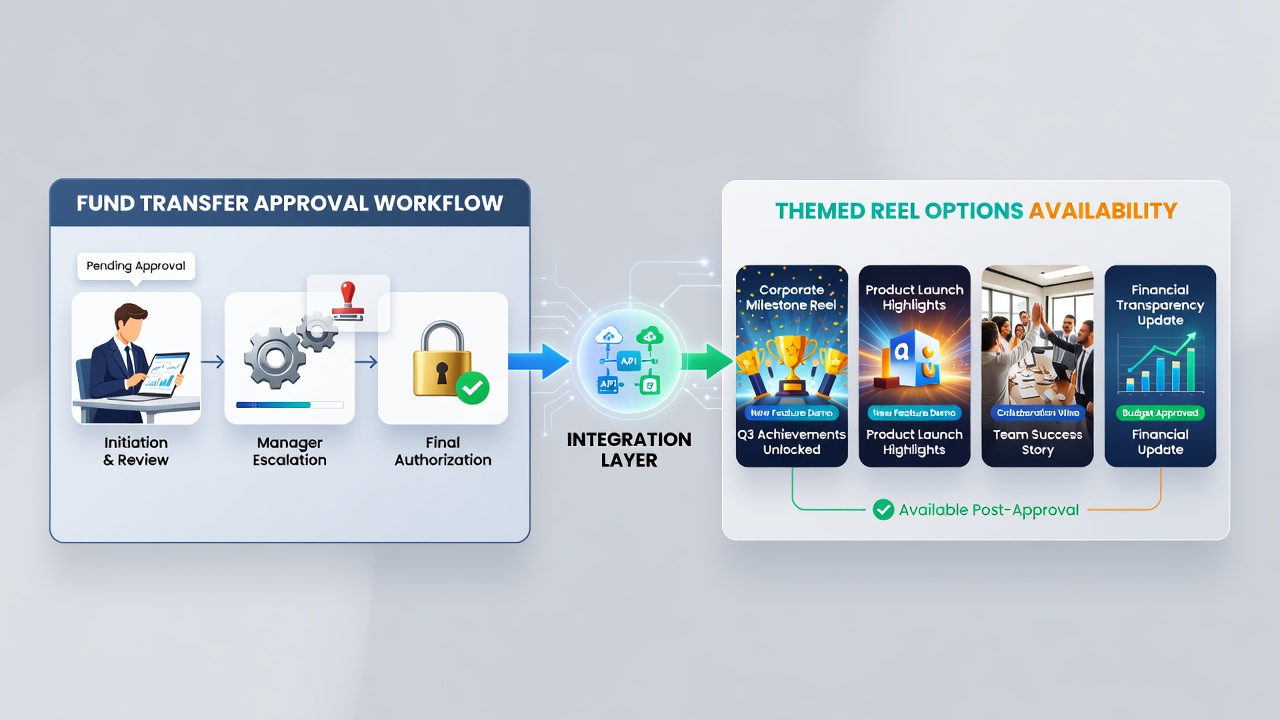
Backend architectures connect transaction ledgers directly to content management modules through application programming interfaces. When a transfer clears, the system updates user permissions and unlocks reel variants that match the deposit tier or promotional conditions. Those who have examined these integrations report that latency in one segment of the pipeline, such as anti-money laundering screening, directly postpones activation of themed options in the entertainment layer.
Case examples from Canadian provincial operators demonstrate that segmented approval workflows, separating fiat and cryptocurrency rails, produce distinct availability windows. Users funding accounts via established bank transfers encounter shorter delays for basic reels but face extended waits for exclusive character-themed sets until secondary compliance checks finish.
Data Patterns Across Platforms
Industry reports compiled by the European Gaming and Betting Association highlight consistent correlations between approval speed and content diversity metrics. Platforms achieving sub-ten-minute clearances recorded twenty-two percent greater utilization of specialized reel configurations during peak hours. Conversely, systems with longer verification cycles showed reduced interaction with time-sensitive themes that rotate daily or weekly.
Academic analyses from research teams at the University of Nevada, Reno, examined transaction logs paired with session data and identified that approval bottlenecks cluster around peak deposit periods, creating predictable gaps in reel access. These patterns hold across both established land-based affiliated apps and newer remote-only services operating under varying regulatory regimes.
Future Adjustments in System Design
Platform developers continue refining algorithms that pre-stage content permissions during the final stages of fund approval. Such refinements aim to minimize the gap between balance updates and reel availability without compromising compliance obligations. Data from pilot programs launched in early 2026 indicate that predictive unlocking based on risk profile reduces average access delays by forty-one percent while maintaining audit integrity.
Observers tracking these developments note that the relationship between transfer approvals and themed reel options remains dynamic, influenced by evolving payment technologies, regulatory updates, and user expectations for immediate content access in remote entertainment environments.
Conclusion
The documented connections between fund transfer approval processes and themed reel availability demonstrate measurable impacts on user engagement patterns across remote systems. Continued monitoring by regulatory bodies and platform operators provides ongoing data that shapes both compliance frameworks and content delivery mechanisms, ensuring that technical and procedural elements align within established operational parameters.