Decoding RNG Sequences That Unlock Tiered Incentives Across Portable Gaming Platforms
Written by Finley Franke · May 27, 2026
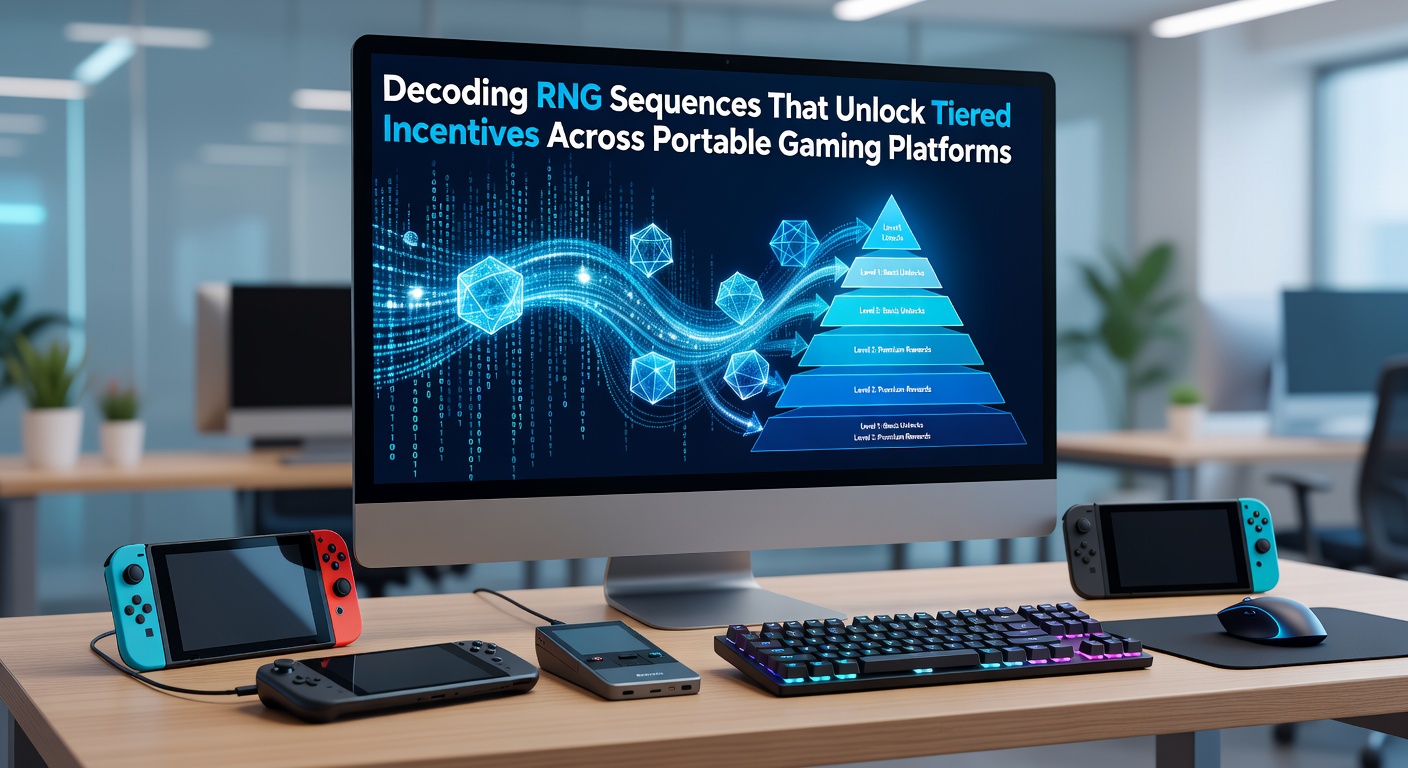
Decoding RNG Sequences That Unlock Tiered Incentives Across Portable Gaming Platforms
Portable gaming platforms rely on random number generator sequences to distribute rewards through tiered incentive systems, and developers implement these mechanisms across mobile devices to maintain engagement levels in games featuring progression mechanics. These sequences determine outcomes for item drops, character unlocks, and resource allocations that players encounter during sessions on smartphones and tablets. Data from industry reports shows that millions of daily active users interact with such systems in titles distributed through major app stores, where algorithms generate results in real time based on predefined probability tables.
Core Mechanics of RNG in Mobile Environments
Random number generators in portable games typically employ pseudorandom algorithms such as Mersenne Twister or linear congruential generators to produce sequences that appear unpredictable to users, while operators retain control over seed values and distribution weights. Researchers have documented how these systems seed from device timestamps or hardware entropy sources at the start of each session, after which subsequent numbers derive through iterative calculations that feed into reward tables. Studies from academic institutions indicate that game servers often handle the final determination to prevent client-side manipulation, ensuring consistency across different operating systems like iOS and Android.
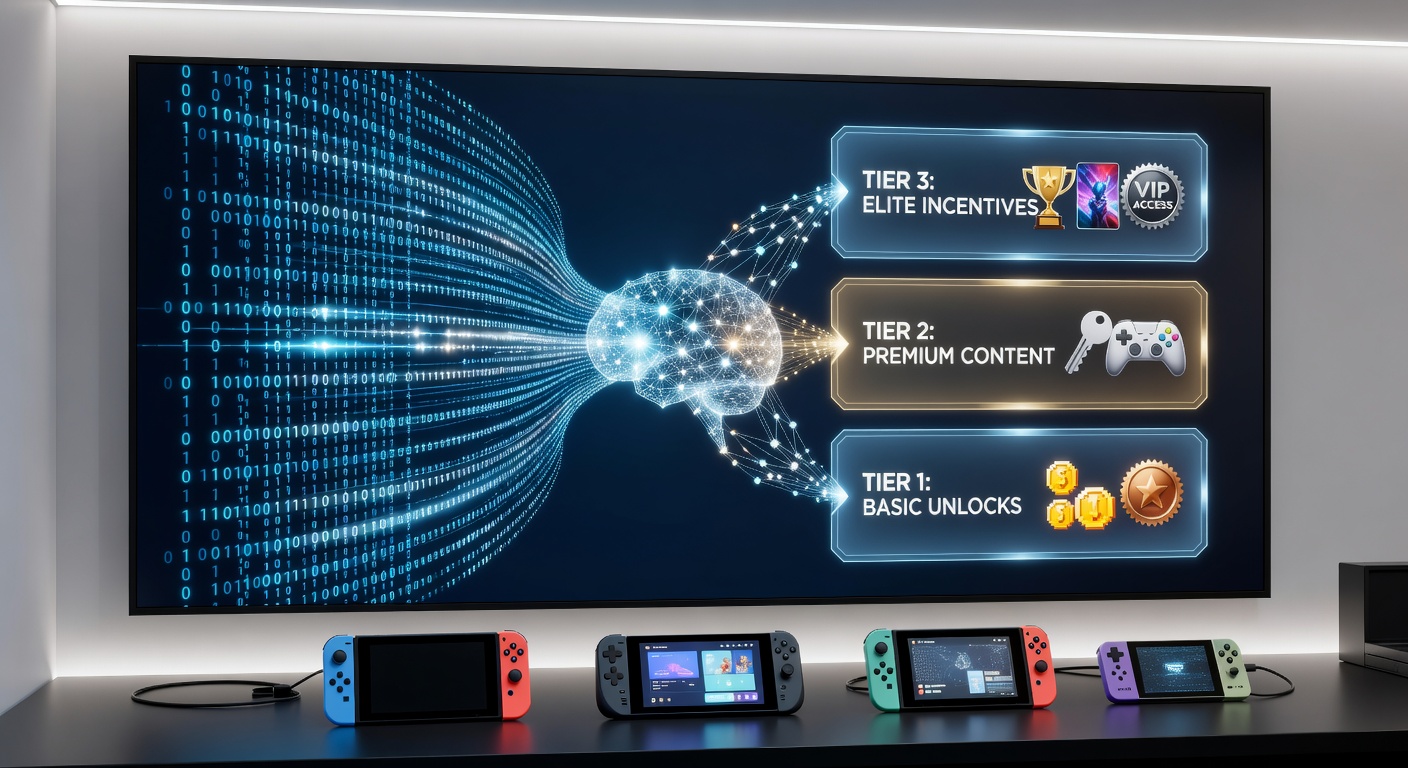
Observers note that tiered incentives emerge when cumulative results from multiple RNG calls trigger escalating reward categories, for instance when repeated low-value outcomes build toward higher-probability access to premium items. This structure appears in gacha-style mechanics where initial draws might yield common assets, yet continued sequences can align to unlock rarer categories that developers position as milestones within battle pass frameworks or seasonal events.
Sequence Patterns and Incentive Layering
Analyses of publicly available game code and server logs reveal that RNG sequences incorporate weighted probabilities that shift based on player progress metrics, such as total playtime or prior acquisition history, which allows platforms to calibrate incentive tiers dynamically. Engineers design these weights so that certain numerical ranges map directly to specific reward pools, creating the layered structure where basic tiers release frequently while advanced ones activate only after thresholds in the sequence are met. Figures from market research firms demonstrate that such systems appear in over 40 percent of top-grossing mobile titles tracked in 2025 data sets.
One case examined by software auditors involved a role-playing game where daily login bonuses combined with in-session draws to advance users through five distinct incentive levels, each governed by independent yet interconnected RNG streams. The process begins with an initial seed generation, proceeds through modular arithmetic steps to produce the next value in the chain, and concludes when the output falls within a designated band that corresponds to the next tier unlock.
Technical Implementation Across Devices
Developers adapt RNG implementations to the constraints of portable hardware by offloading heavy computation to cloud servers while keeping lightweight verification on the device itself, a practice that maintains performance on varied chipsets from different manufacturers. Standards organizations have published guidelines for testing sequence randomness, including statistical suites that check for uniformity, independence, and periodicity to verify that outcomes align with intended probabilities before release. Government agencies in regions such as Australia and Canada have referenced these testing protocols when evaluating digital entertainment products that incorporate chance-based elements.
Portable platforms also integrate hardware random number generators available on newer processors to supplement software methods, adding an extra layer of entropy that strengthens sequence unpredictability. Industry reports compiled in early 2026 highlight how these hybrid approaches reduce detectable patterns that might otherwise allow external analysis to anticipate reward distributions in competitive or progression-heavy titles.
Regulatory and Compliance Considerations
Regulatory bodies monitor RNG usage in portable gaming to ensure transparency around probability disclosures, with entities in the European Union and select Asian markets requiring operators to publish detailed odds for each incentive tier. Compliance audits often involve third-party verification of sequence generation code, confirming that no hidden biases alter the distribution once a player reaches a new incentive level. Data released by research institutions shows increasing adoption of standardized reporting formats that allow users to review historical outcomes against expected probabilities.
Engineers working on cross-platform titles must account for differences in device clocks and network latency that could affect sequence synchronization, leading to the adoption of server-authoritative models that reconcile results after each transaction. Such measures appear consistently in titles updated during 2025 and 2026 development cycles, where patches address edge cases that previously allowed sequence desynchronization across portable devices.
Conclusion
Decoding RNG sequences in portable gaming platforms centers on understanding the algorithmic steps that map numerical outputs to tiered rewards, a process shaped by hardware capabilities, server architecture, and regulatory frameworks. Continued examination of these systems by independent researchers provides clearer insight into how incentives distribute across millions of daily interactions on mobile devices worldwide.